Tech · 20 June 2025
AAA games in the browser? WebGPU paves the way

WebGPU opens the door to advanced gaming in the browser. Performance, 3D, real demos: we explore this future that plays out online.

SEO · 18 June 2025 · 4 min
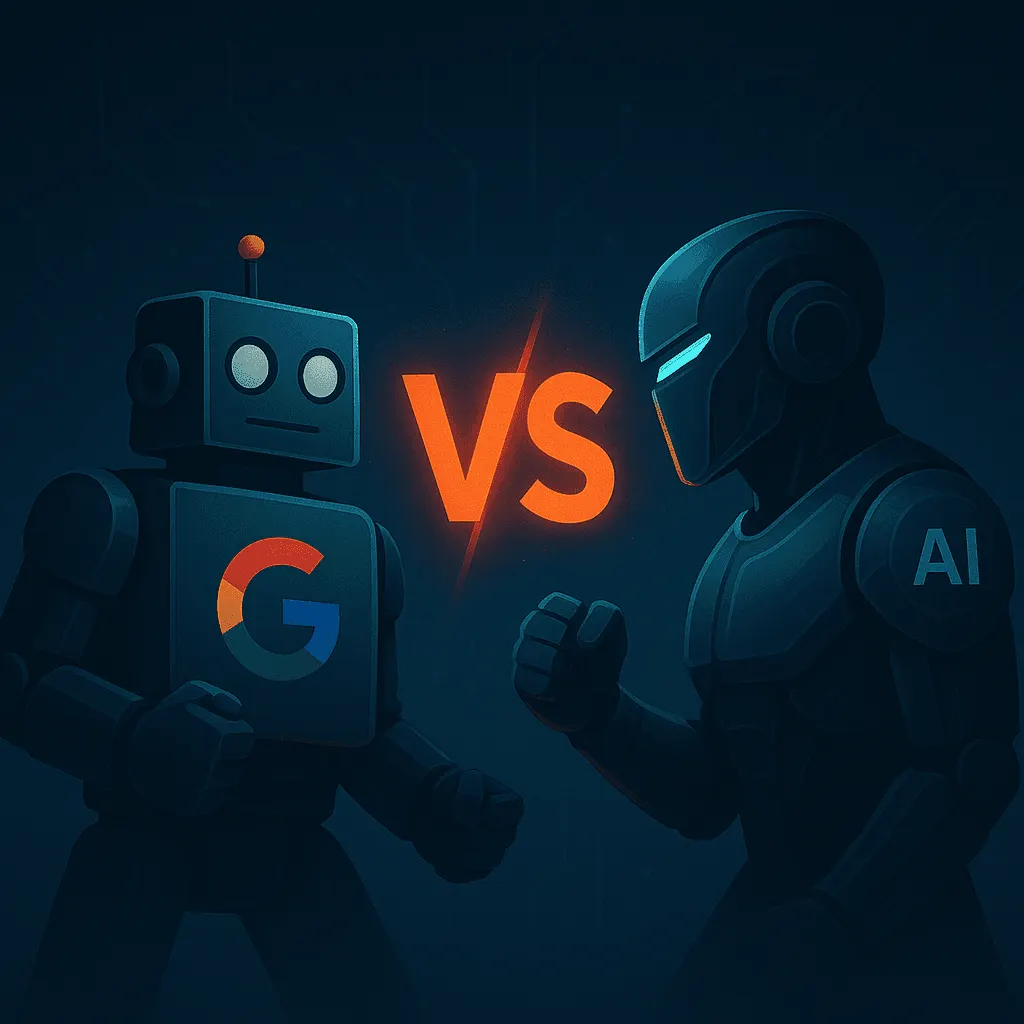
The era of googling everything is ending: more and more searches go through AI, and that changes the game for SEO and web design.
The Riven team
You ask ChatGPT questions more readily than you ask Google? You are not alone. According to Gartner, traditional search engines could see 25% fewer queries by 2026 due to AI-powered chatbots. Generative AI is gradually becoming a new reflex for finding information, alongside (and sometimes at the expense of) Google. This shift raises a critical question for entrepreneurs and web developers: who, or rather what, are we optimizing our sites for now?
Launched in late 2022, ChatGPT reached 100 million users in barely two months. And its growth has not slowed: in Q1 2024, ChatGPT even surpassed Wikipedia in monthly users, following a 36% increase in its audience over the year. In France, 42% of the population knows ChatGPT, with particularly strong enthusiasm among 16-24 year olds. The direct consequence: nearly a quarter of 16-24 year olds say they have reduced their use of Google over the past two years, in favor of TikTok, YouTube, or AI assistants.
That said, Google has not had its last word. In 2024, Google processed more than 5 trillion searches, a 21% increase over 2023. By comparison, ChatGPT handled at most 37.5 million queries per day, roughly 0.27% of global search volume. In other words, Google still drives 373 times more searches than OpenAI's chatbot. Far from being killed by AI, the search engine is actually benefiting from the integration of AI-powered features to stimulate its usage.
The picture, then, is not Google versus AI with one knockout winner. What we are witnessing is an expansion of information channels. For an entrepreneur, this means the potential audience is spread across multiple platforms. The trend is underway, and ignoring it would be unwise.
Many people are asking: should we still build and rank our websites with Google primarily in mind? The short answer: yes, but not exclusively anymore. Google remains the main entry point to the web, and neglecting classic SEO would be a serious mistake. The fundamentals of search optimization (a high-performing site, quality content, trusted inbound links) remain essential. In 2025, Google and other search engines still generate the vast majority of search traffic.
However, ignoring new AI tools would be equally risky. First, because these conversational agents are changing habits: a user who gets a direct answer via ChatGPT is less likely to click through to your site. Second, because these AIs consume existing web content and sometimes cite their sources: if your site appears among the cited references, you can attract qualified traffic from it. Tomorrow, being well-indexed could just as easily mean being chosen by AI as a trusted source as it means ranking first on Google. SEO is broadening.
To sum up, the rise of generative AI is pushing SEO out of its comfort zone. No, we do not code only for Google in 2025, but we certainly do not forget about it either. The goal is to enrich our approach: continue optimizing for traditional search engines while anticipating how AIs present our content. Whether it is Google or ChatGPT, the objective remains the same: give users the best answer, wherever they are looking for it.
Tech · 20 June 2025
WebGPU opens the door to advanced gaming in the browser. Performance, 3D, real demos: we explore this future that plays out online.
Tech · 27 March 2025
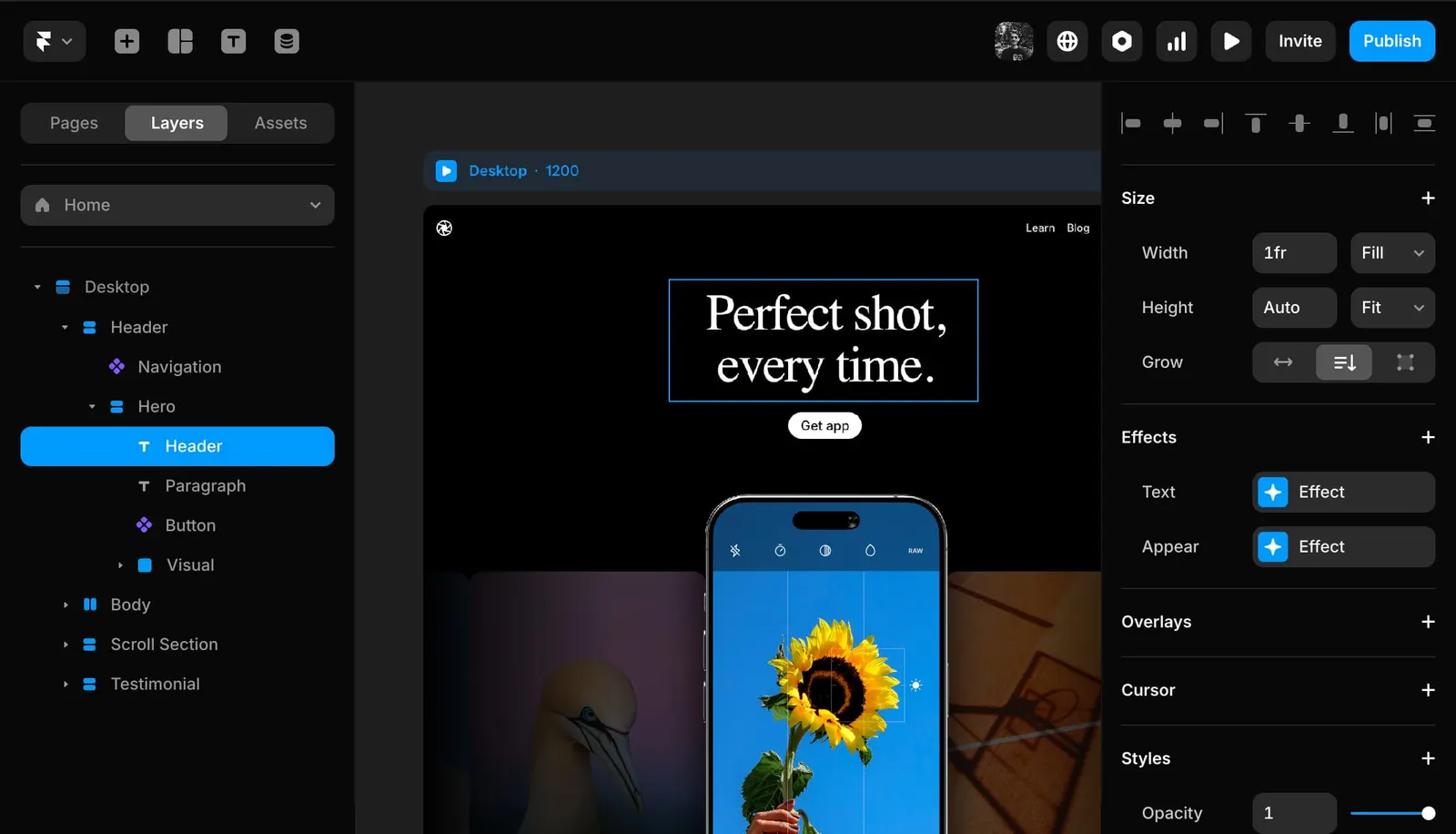
WordPress, Webflow, Framer, Directus... In 2025, which CMS fits which project? A tour of the classic and modern options.
Produit · 7 February 2025

Loupe gets a major update: a new architecture, instant navigation and ultra-light 3D scenes.
Sécurité · 20 January 2025

What if AI became the hackers’ ally? Here is how cyberthreats are really evolving, and how to stay one step ahead.