Tech · 27 March 2025
Which CMS to choose in 2025? Classic and modern platforms compared
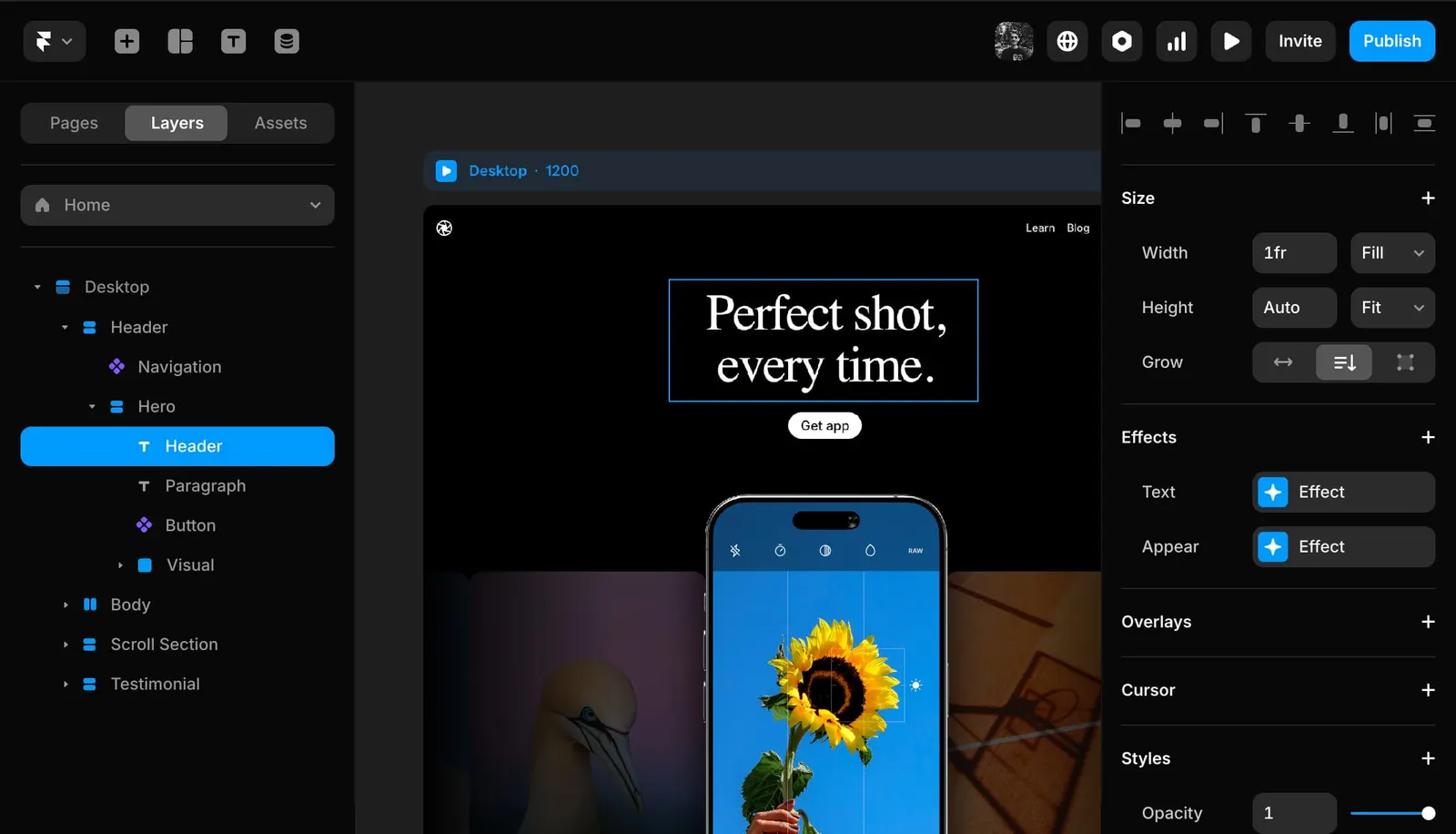
WordPress, Webflow, Framer, Directus... In 2025, which CMS fits which project? A tour of the classic and modern options.

Tech · 20 June 2025 · 3 min
WebGPU opens the door to advanced gaming in the browser. Performance, 3D, real demos: we explore this future that plays out online.

The Riven team
The promise of playing advanced video games, including AAA titles (high-budget games with top-tier graphics), directly in a web browser can sound futuristic. Yet with the arrival of WebGPU, that future is becoming far more tangible. This new technology pushes the limits of 3D graphics on the web and brings the online experience closer to the quality of a console or a PC. Developers, creators, tech-curious gamers: here is how the web browser could become a serious platform for advanced gaming, and how our studio is positioning itself at the forefront of this shift.
WebGPU, the modern successor to WebGL, is the new graphics API that opens the GPU to the web. Built through a joint effort by the W3C with Google, Apple, Mozilla, Microsoft, and others, WebGPU brings low-level API advances, comparable to Vulkan/DirectX 12, directly to the browser. After six years of development, the technology is finally available, enabled by default in Chrome 113 (2023), and being adopted progressively in Firefox and Safari.
In practice, WebGPU gives far more control over the graphics card than WebGL. It provides direct access to GPU memory and compute shaders, which significantly reduces JavaScript overhead for equivalent rendering. The result: smoother, more detailed graphics, and the ability to run complex tasks in parallel on the GPU (AI, physics, advanced rendering) that were previously impossible in the browser. Performance leaps forward. In one benchmark, moving an intensive algorithm from the CPU to a WebGPU compute shader pushed the framerate from 8 FPS to 60 FPS.
With WebGPU, browser games can now target near-native performance. By fully leveraging modern GPUs, the web can render complex 3D scenes that were previously reserved for high-end consoles or PCs. Multiple studies already show WebGPU significantly outperforming WebGL in frames per second for equivalent applications.
Recent demos confirm this potential. A WebGPU tech demo rendered the well-known Sponza scene with deferred rendering, over 400 dynamic lights, real-time reflections, and elaborate shadows, running at around 50 FPS on a MacBook Pro M1. In another feat, Unreal Engine 5 itself was ported to run in the browser: the Lyra demo runs entirely in WebAssembly and WebGPU, proving that a full AAA game can execute inside a simple browser tab. The line between native game and browser game is fading.
Beyond raw performance, the arrival of WebGPU means smoother, more accessible user experiences. No need to install 50 GB of data or update a heavy client: one click on a URL and you are in the action. The web browser becomes an instant gaming platform, a benefit for players (immediate access, cross-platform) and content creators alike (simplified deployment at scale).
The web also offers universality that few platforms can match. A modern 3D web game runs across devices as long as they support WebGPU, with no app store barrier. Hybrid interactive experiences become possible: a product showcase combined with a 3D mini-game, or fully immersive online events, all running directly in the browser.
At Riven, we did not wait to explore these possibilities. Our team has been building cutting-edge web 3D for years. Loupe, for instance, is our in-house product: an interactive 3D experience that lets users explore spaces in three dimensions and turn searches into immersive journeys. This project pushed WebGL and WebGPU to their limits to deliver premium rendering directly through the web.
We have also built several 3D mini-games in the browser, demonstrating that rich gameplay and polished graphics are achievable without ever leaving a simple browser tab.
The boundary between traditional video games and the web is narrowing every day. WebGPU marks the beginning of a new era in which the browser becomes a genuine high-end gaming platform. Titles with ultra-refined graphics, immersive worlds once reserved for consoles, all of this is becoming accessible through a simple browser, anywhere, for everyone.
At Riven, this prospect excites us. Are you ready to play your next game directly on the web?
Tech · 27 March 2025
WordPress, Webflow, Framer, Directus... In 2025, which CMS fits which project? A tour of the classic and modern options.
Tech · 10 January 2025

Cookies are disappearing, but web analytics is not going away. Here is how to measure intelligently without needless tracking.
Tech · 10 November 2024

Are Progressive Web Apps still relevant in 2025?
Tech · 17 June 2024

Implement card payments with Stripe PaymentIntent (SCA-compliant) in a custom PHP project, without a framework.