Tech · 20 June 2025
AAA games in the browser? WebGPU paves the way

WebGPU opens the door to advanced gaming in the browser. Performance, 3D, real demos: we explore this future that plays out online.

Tech · 10 November 2024 · 2 min
Are Progressive Web Apps still relevant in 2025?

The Riven team
In 2025, many tech-savvy decision-makers in Geneva and beyond are asking whether Progressive Web Apps (PWA) still belong in their digital projects. These web applications, sitting between a website and a mobile app, generated a lot of excitement in recent years. Are they outdated, or still evolving? Here is where things stand.
Initial PWA enthusiasm leveled off from its peak around 2022. That does not mean the technology is obsolete. On the contrary, it has stabilized and established itself as a mature standard of the modern web. PWAs offer fast load times, offline functionality, and a near-native experience. They let users install a website like an app without going through any store.
The major players have not walked away from them. Google actively supports PWAs, and Microsoft has converted services like Outlook.com to PWA. Leading brands have seen concrete results: Flipkart's conversion rate jumped 70% after adopting a PWA, and Twitter Lite cut its bounce rate by 20% while increasing engagement.
That said, a native app retains the advantage for advanced features that rely heavily on device hardware (intensive image processing, augmented reality, 3D games).
Limited iOS support was a long-standing obstacle. Good news: since iOS 16.4, PWAs can send push notifications on iPhone and iPad. On Android and desktop, Chromium browsers offer a one-click Install button, and it is even possible to publish a PWA to the Google Play Store through Trusted Web Activities (TWA). The ecosystem keeps improving, narrowing the gap with native apps.
Are PWAs still relevant? Yes, clearly. They have earned their place among proven solutions, integrated into the digital strategies of many organizations. By choosing your battles wisely (PWA for the right projects, native when needed), you get the best of both worlds.
Tech · 20 June 2025
WebGPU opens the door to advanced gaming in the browser. Performance, 3D, real demos: we explore this future that plays out online.
Tech · 27 March 2025
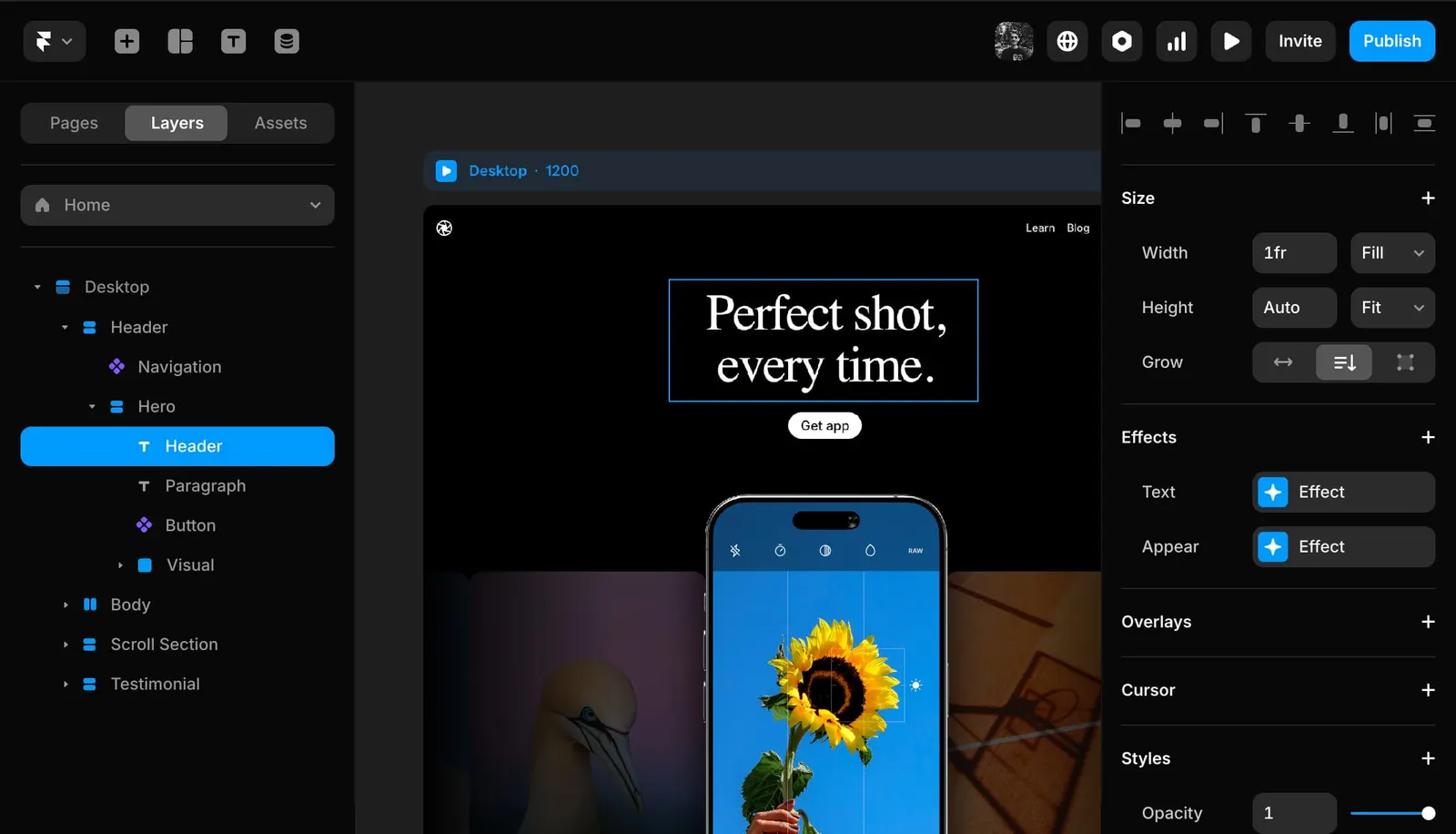
WordPress, Webflow, Framer, Directus... In 2025, which CMS fits which project? A tour of the classic and modern options.
Tech · 10 January 2025

Cookies are disappearing, but web analytics is not going away. Here is how to measure intelligently without needless tracking.
Tech · 17 June 2024

Implement card payments with Stripe PaymentIntent (SCA-compliant) in a custom PHP project, without a framework.