Tech · 20 June 2025
AAA games in the browser? WebGPU paves the way

WebGPU opens the door to advanced gaming in the browser. Performance, 3D, real demos: we explore this future that plays out online.

Sécurité · 20 January 2025 · 3 min
What if AI became the hackers’ ally? Here is how cyberthreats are really evolving, and how to stay one step ahead.

The Riven team
Artificial intelligence is reshaping daily life, including the world of hackers. It has become both a powerful tool for strengthening security and a dangerous weapon in the wrong hands. Here is a clear overview of the new AI-driven risks, and, more importantly, how businesses and individuals can stay one step ahead.
Recent reports show an explosion of AI-assisted attacks (up 135% in 2023, according to Check Point). Cybercrime is shifting into a higher gear, with AI used to create deepfakes, launch hyper-targeted phishing campaigns, write evasive malware, and automate large-scale attacks.
Faced with these threats, businesses and individuals alike should strengthen their defenses, combining technology with basic caution.
While AI amplifies attacks, it also delivers powerful tools to counter them: predictive analytics, automated incident response, and stronger authentication. Staying secure will require a smart combination of technology and human judgment. Your vigilance and common sense will always make the difference.
Tech · 20 June 2025
WebGPU opens the door to advanced gaming in the browser. Performance, 3D, real demos: we explore this future that plays out online.
SEO · 18 June 2025

The era of googling everything is ending: more and more searches go through AI, and that changes the game for SEO and web design.
Tech · 27 March 2025
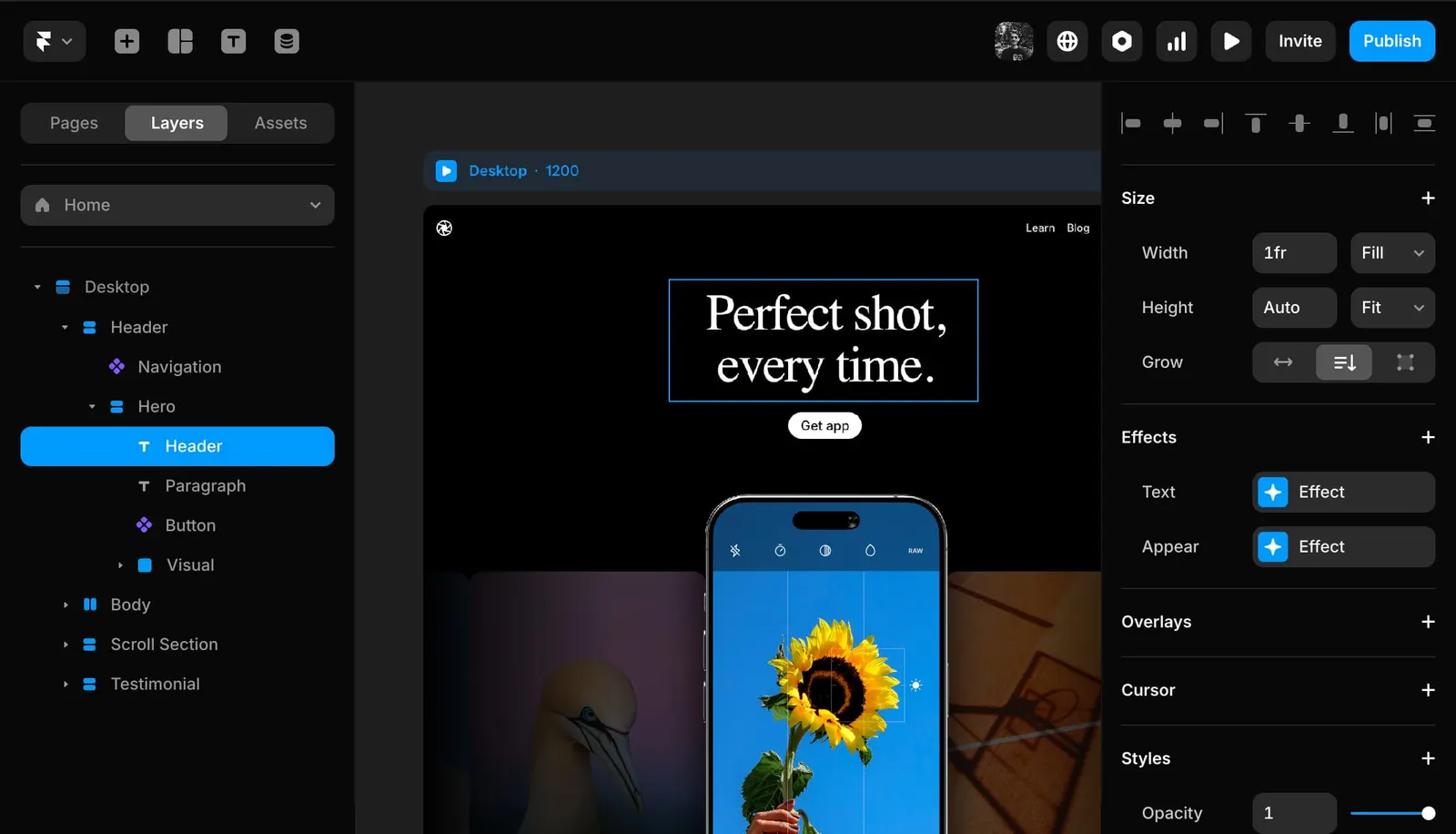
WordPress, Webflow, Framer, Directus... In 2025, which CMS fits which project? A tour of the classic and modern options.
Produit · 7 February 2025

Loupe gets a major update: a new architecture, instant navigation and ultra-light 3D scenes.